
About Dr. Wan Naszeerah
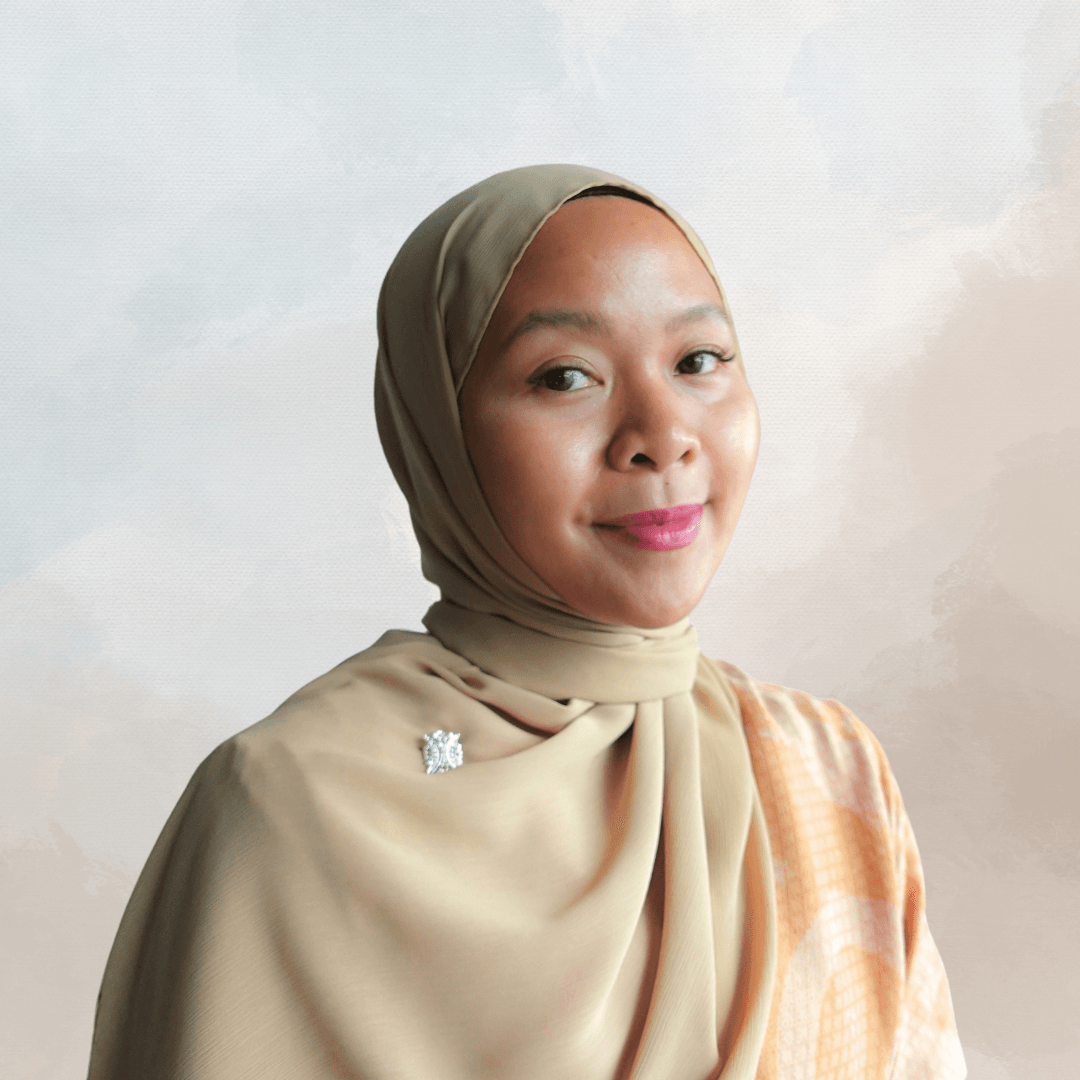
Dr. Wan Naszeerah is a Bruneian public health practitioner-scholar and author working on prevention, health systems and health security.
In Brunei, her work focuses on strengthening how health systems anticipate problems, understand communities and translate evidence into action. She contributes to public health innovation, prevention and One Health, including Brunei's National One Health Joint Plan of Action, and works across disciplines and institutions to develop health services, programmes and tools with the people they are intended to serve.
Her interests span emerging health threats, health information, human-centred service design and the use of technology to strengthen public health decision-making. She has presented her work at regional and national forums, including the Australasian Military Medicine Association Conference in 2025.
Beyond Brunei, her work extends across the Nusantara region of Southeast Asia. She co-founded Projek Infodemik, a research and community collective working with partners and communities in Brunei, Indonesia, Malaysia and Singapore to improve how health information is understood and communicated in Bahasa Melayu and Bahasa Indonesia.
This regional perspective is rooted in her own upbringing. Growing up in Southeast Asia, where families may draw on medical, traditional and faith-based approaches to health, taught her that effective public health requires both scientific rigour and an understanding of why people believe and behave as they do. This conviction became the foundation of her first book, Debunk with Empathy.
Dr. Naszeerah earned her Master of Public Health from Yale University, where she trained in infectious disease epidemiology and eco-epidemiology. Her work included the use of remote sensing, GIS and field entomology in a malaria project affiliated with Bhutan's Ministry of Health.
She later earned her Doctor of Public Health from the University of California, Berkeley. Her doctoral research examined vaccine confidence and Bahasa-language health discourse, including the opportunities and limitations of artificial intelligence for understanding public conversations about health. The work brought together health practitioners, policymakers, media and academic collaborators across Southeast Asia, including Universiti Brunei Darussalam.
At UC Berkeley, she designed and taught Digital Infodemic, an undergraduate course grounded in human-centred design. She was also a Berkeley Digital Transformation of Development Fellow and a visiting scholar on infodemics and pandemics at the University of Lübeck, Germany.
Across her work, one question continues to guide her: How can we build public health systems that understand people as well as they understand disease?
She writes about health, trust, technology and society through her quarterly letter, Health with Hati.
Views expressed are her own and do not represent any affiliated institution.

© 2026 Wan Naszeerah.
All Rights Reserved.